
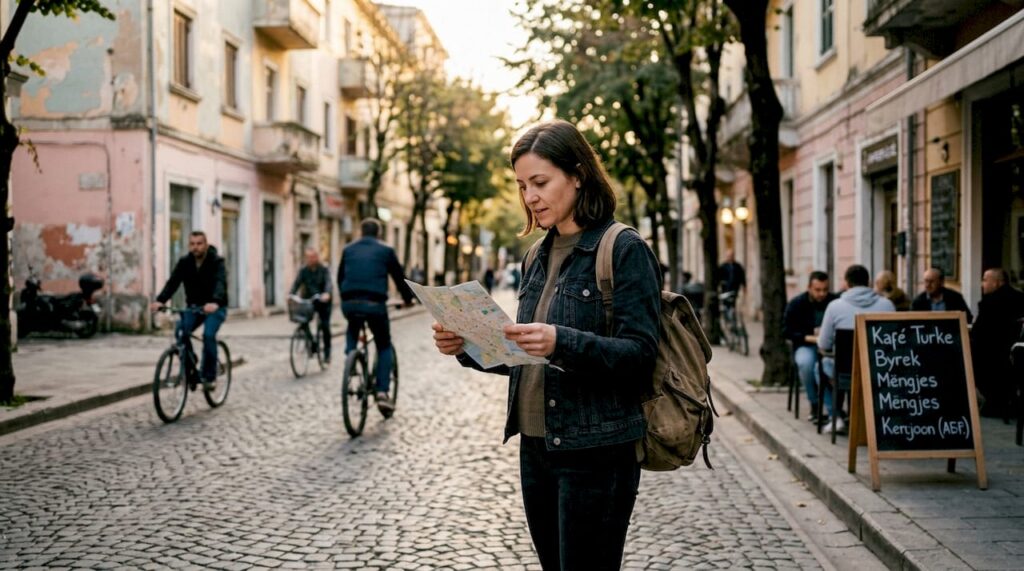
Planning a trip to Albania means making choices about when to visit, how to get around, what to expect in terms of safety and costs, and how to connect with local culture. Albania offers incredible value and unique experiences, but navigating transport options, understanding safety considerations, and budgeting effectively can feel overwhelming without the right guidance. This article delivers practical, expert-backed tips to help you travel Albania confidently and affordably. You’ll discover the best times to visit, compare transport methods, learn safety and money-saving strategies, and explore must-try foods and destinations that make Albania unforgettable.
Table of Contents
- Key takeaways
- When to visit Albania: balancing weather, crowds, and activities
- Navigating transport options in Albania: furgons vs. car rental
- Staying safe and saving money: practical tips for travelers in Albania
- Must-try Albanian food and top destinations to explore
- Explore Albania your way with Rentalux car rentals
- FAQ
Key Takeaways
| Point | Details |
|---|---|
| Best visiting times | Spring and autumn offer comfortable weather, lighter crowds, and lower prices for lodging and activities. |
| Budget travel costs | Albania offers great value with affordable transport and accommodation, especially in shoulder seasons. |
| Furgon basics | Furgons are cheap shared minibuses that depart when full and reach places larger buses skip, but wait times and language barriers are common. |
| Car rental flexibility | Renting a car adds flexibility to visit remote areas, though road conditions and local driving practices require caution. |
| Safety and pickpockets | Overall safety is generally good with low violent crime, but stay alert for pickpockets in cities. |
When to visit Albania: balancing weather, crowds, and activities
Choosing the right time to visit Albania shapes your entire experience, from weather comfort to budget and crowd levels. May through October offers ideal conditions for beach visits and mountain hiking, with temperatures ranging from comfortable to warm. However, timing within this window makes a significant difference in your travel quality.
Spring months from April to June and early autumn from September to October deliver the sweet spot for most travelers. These shoulder seasons feature temperatures between the high 60s and mid-80s Fahrenheit, avoiding the intense heat that peaks during July and August. You’ll encounter fewer tourists competing for accommodations and attractions, which translates to lower prices and more authentic interactions with locals.
July and August bring scorching temperatures regularly exceeding 86°F (30°C), especially in coastal areas and cities. While beaches buzz with energy during these months, the heat can make city exploration and hiking uncomfortable. If you prioritize beach relaxation and don’t mind crowds, summer works well. For cultural exploration, historical site visits, and outdoor activities beyond swimming, spring and autumn provide superior conditions.
Your interests should guide your timing decision:
- Beach lovers: June through September offers warm sea temperatures and guaranteed sunshine
- Hikers and nature enthusiasts: May, June, September, and October provide comfortable temperatures for mountain trails
- Budget travelers: April, May, October, and November feature lower accommodation rates and fewer tourists
- Cultural explorers: Spring and autumn balance pleasant weather with easier access to museums and UNESCO sites
Pro Tip: Book accommodations at least two months ahead if visiting during shoulder seasons, as the best value properties fill quickly once savvy travelers discover Albania’s appeal.
Navigating transport options in Albania: furgons vs. car rental
Getting around Albania requires understanding two primary options: local minibuses called furgons and car rentals. Each method offers distinct advantages and challenges that affect your budget, flexibility, and travel experience. Your choice depends on your comfort with uncertainty, desire for independence, and willingness to navigate challenging road conditions.
Furgons operate as shared minibuses that connect cities, towns, and remote villages across Albania. These vehicles depart when full rather than following fixed schedules, which means waiting times vary from minutes to hours. You pay the driver directly in cash during the journey, with fares typically ranging €4-10 for common routes between major destinations. Furgons reach villages and areas that larger buses skip, making them invaluable for accessing off-the-beaten-path locations.
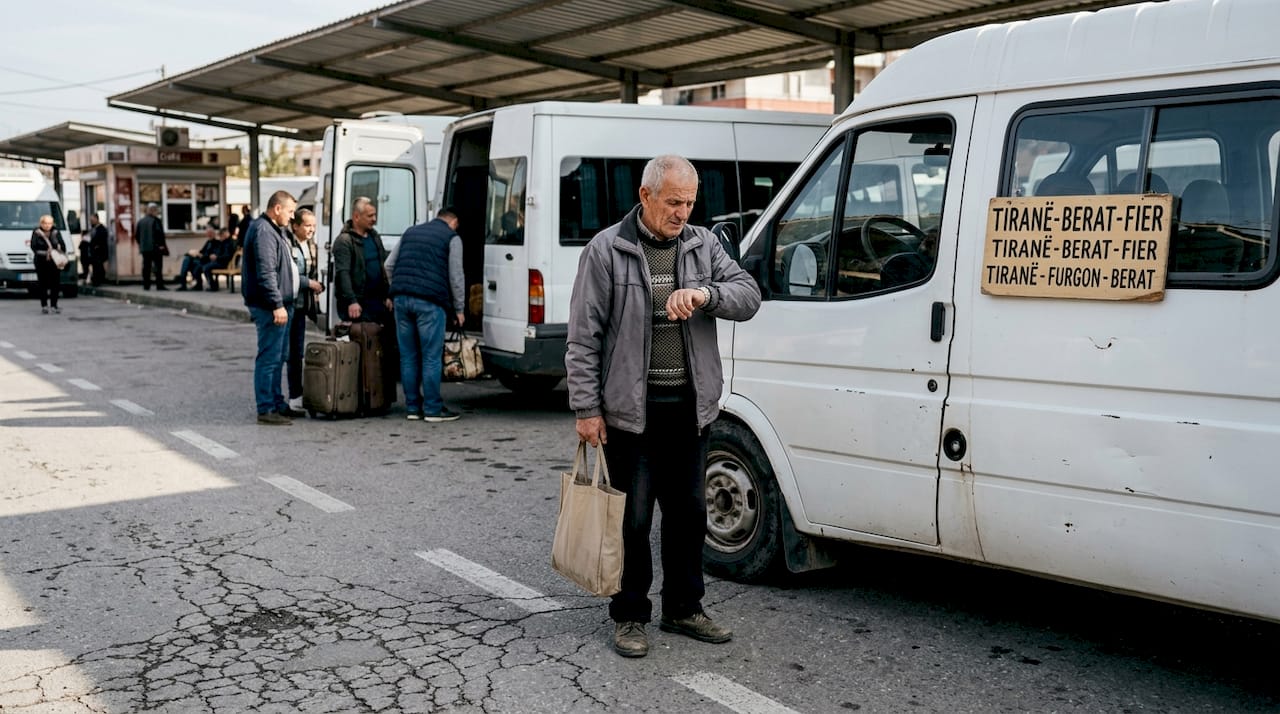
The furgon experience tests patience but rewards budget-conscious travelers. Crowding is common, especially during peak travel times, and you may share space with locals carrying everything from groceries to livestock. Communication barriers arise frequently since drivers and passengers rarely speak English. Despite these challenges, furgons cost a fraction of private transport and provide authentic glimpses into daily Albanian life.
Car rentals deliver freedom to explore at your own pace and reach destinations inaccessible by public transport. You control your schedule, stop wherever interests you, and carry luggage without hassle. However, Albanian roads present real challenges including potholes, unmarked hazards, aggressive driving styles, and poor signage in rural areas. Rental costs fluctuate significantly by season, with summer rates often double those in spring or autumn.
| Factor | Furgons | Car Rental |
|---|---|---|
| Cost | €4-10 per route | €25-60+ per day depending on season |
| Flexibility | Departs when full; no fixed schedule | Complete control over timing and routes |
| Safety | Generally safe but crowded | Requires cautious driving on challenging roads |
| Convenience | Cash only; language barriers common | Independence but navigation challenges |
| Access | Reaches remote villages | Opens all destinations with parking |
Pro Tip: If you choose car rental, inspect the vehicle thoroughly before leaving the lot and photograph any existing damage. Check out Rentalux blog for detailed guidance on documentation and cheap car rentals tips that can save you 30% or more on your rental costs.
Staying safe and saving money: practical tips for travelers in Albania
Albania offers excellent value and generally safe conditions for travelers, but smart habits around security and budgeting enhance your experience significantly. Understanding where risks exist and how to stretch your euros makes the difference between a stressful trip and a relaxed adventure.
Albania receives a Level 2 travel advisory due to crime concerns, but violent crime against tourists remains rare. The primary safety issue involves pickpocketing and petty theft in busy areas, particularly in Tirana’s central districts and crowded markets. Locals generally show hospitality toward visitors, and most travelers complete their trips without incident. Avoid isolated rural areas after dark and keep valuables secured in cities, especially when using public transport or visiting tourist attractions.
Daily budgets in Albania range from €30 to €75 depending on your travel style, making it one of Europe’s most affordable destinations. Budget travelers staying in hostels, eating street food, and using public transport easily manage on €30-40 daily. Mid-range travelers preferring private rooms, sit-down restaurants, and occasional taxis typically spend €50-65. Meals at local restaurants cost €5-15, while hostels charge €15-30 per night for dorm beds.
Practical considerations that catch travelers unprepared:
- Water quality varies significantly, especially in northern and rural regions; carry bottled water
- Public restrooms often lack toilet paper and soap; pack tissues and hand sanitizer
- Cash dominates outside major cities; ATMs exist in towns but carry sufficient euros or lek
- Learning basic Albanian phrases like ‘Faleminderit’ (thank you) and ‘Po/Jo’ (yes/no) improves interactions significantly
Pro Tip: Download offline maps before arriving since mobile data can be unreliable in mountain areas. Google Maps works well in cities but OpenStreetMaps often provides better coverage for hiking trails and rural roads.
“Raki is more than a drink here; it’s a way to bond and share culture.”
Many restaurants offer complimentary raki after meals as a gesture of hospitality. Accepting this traditional spirit shows respect for local customs and often leads to memorable conversations with owners and fellow diners. For detailed safety information specific to driving, check the driving safety guide Albania which covers road conditions, regulations, and defensive driving techniques.
Must-try Albanian food and top destinations to explore
Albanian cuisine blends Mediterranean and Balkan influences into distinctive dishes that reflect the country’s agricultural heritage and cultural crossroads. Food represents an essential part of experiencing Albania authentically, with flavors ranging from savory pastries to grilled meats and tangy yogurt-based dishes.
Traditional foods you must try include byrek, a flaky pastry filled with cheese, meat, or spinach that costs just €1-2 and serves as the perfect breakfast or snack. Cevapi features grilled minced meat sausages served with bread and onions for around €1, making it an incredibly affordable and satisfying meal. Tavë kosi, considered Albania’s national dish, combines baked lamb with creamy yogurt and rice for a rich, tangy flavor profile. Raki, the local fruit brandy, appears frequently as a complimentary digestif after meals, strengthening the social bonds between diners and hosts.
Meals at local restaurants typically cost €5-15, with street food options available for under €2. This affordability lets you sample diverse dishes without straining your budget. Markets offer fresh produce, cheeses, and olives at prices that seem impossibly low compared to Western Europe.
Top destinations showcase Albania’s diversity from urban energy to coastal beauty and mountain wilderness:
- Tirana: The capital features colorful buildings, quirky communist-era bunkers turned into museums, and vibrant nightlife
- Berat and Gjirokastër: UNESCO World Heritage sites known as “museum cities” with Ottoman architecture and hilltop castles
- Albanian Riviera: Pristine beaches around Ksamil offer turquoise waters rivaling Greek islands at fraction of the cost
- Theth and Valbona: Mountain villages in the Albanian Alps provide spectacular hiking through dramatic peaks and traditional stone houses
- Shkodër: Northern city near Lake Shkodër combining historical sites with access to mountain adventures
Each region offers distinct experiences, from Tirana’s contemporary art scene to the Riviera’s beach clubs and the Alps’ remote trails. Combining coastal relaxation with mountain exploration and urban culture creates a well-rounded Albanian adventure. The diversity means you can customize your itinerary based on whether you prioritize history, nature, food, or beach time.
Explore Albania your way with Rentalux car rentals
After learning about Albania’s seasonal patterns, transport challenges, safety considerations, and diverse destinations, you’re ready to plan your adventure. Taking control of your itinerary with a rental car unlocks Albania’s full potential, letting you reach remote beaches, mountain villages, and hidden archaeological sites that public transport can’t access efficiently.
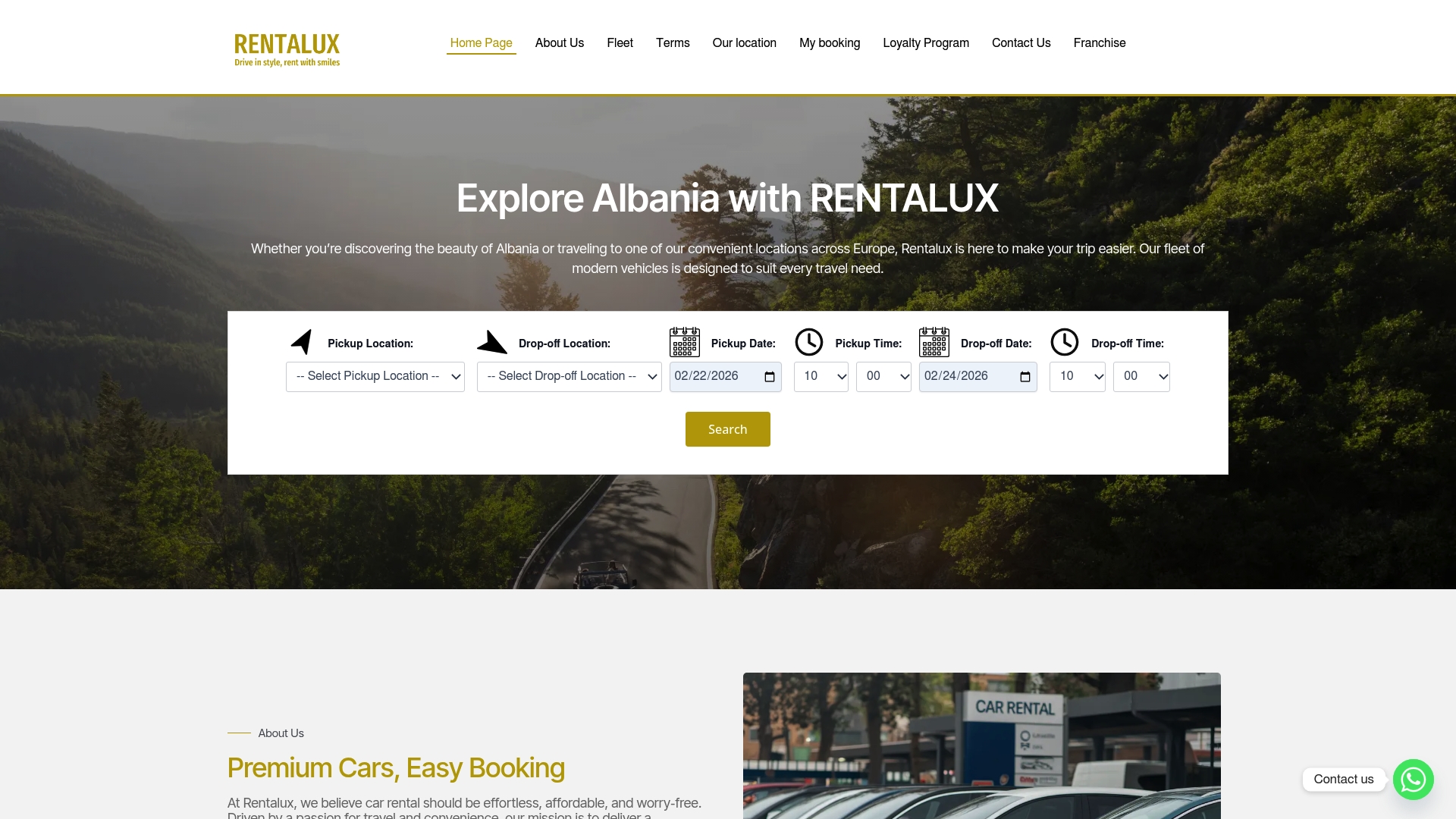
Rentalux provides affordable car rentals in Albania with transparent pricing, low deposits, and a modern fleet suitable for everything from coastal cruising to mountain exploration. Their flexible car rental policy accommodates changing travel plans without punitive fees, giving you peace of mind as you navigate Albania’s opportunities. Expert travelers save significantly by following proven strategies outlined in cheap car rentals tips, which detail how to reduce costs by 30% through timing, vehicle selection, and booking approaches. A rental car transforms your Albania experience from following bus schedules to creating your own adventure timeline.
FAQ
What is the safest way to travel around Albania?
Renting a car offers the most control and flexibility, but requires cautious driving due to variable road conditions and aggressive local driving styles. Public transportation via furgons is generally safe but less predictable, with crowding and irregular schedules. Stay vigilant against petty crime in cities regardless of transport method. For comprehensive road safety information, review the driving safety guide Albania before getting behind the wheel.
How can I save money while traveling in Albania?
Use local minibuses (furgons) instead of taxis when time permits, as they cost €4-10 versus €20-40 for equivalent taxi rides. Stay in guesthouses or hostels rather than hotels, saving €30-50 nightly. Eat traditional meals like byrek from street vendors for €1-2 instead of tourist restaurants charging €10-15. If renting a car, apply strategies from cheap car rentals tips to reduce costs by booking during shoulder seasons and comparing providers carefully.
What basic Albanian phrases should I know?
Learn ‘Faleminderit’ (thank you), ‘Po’ (yes), ‘Jo’ (no), and ‘Ndal’ (stop) to navigate transport and show respect in interactions. These simple phrases help when asking for directions, ordering food, or communicating with furgon drivers who rarely speak English. Using even basic Albanian demonstrates effort and typically results in friendlier, more helpful encounters with locals who appreciate visitors attempting their language.
Is Albania expensive compared to other European countries?
Albania ranks among Europe’s most affordable destinations, with daily budgets of €30-75 covering accommodation, meals, and transport. This compares favorably to Western Europe where similar experiences cost €80-150 daily. Restaurant meals run €5-15 versus €15-30 in neighboring Greece or Italy. Budget travelers find exceptional value, while even mid-range visitors enjoy premium experiences at prices that would buy basic services elsewhere in Europe.